
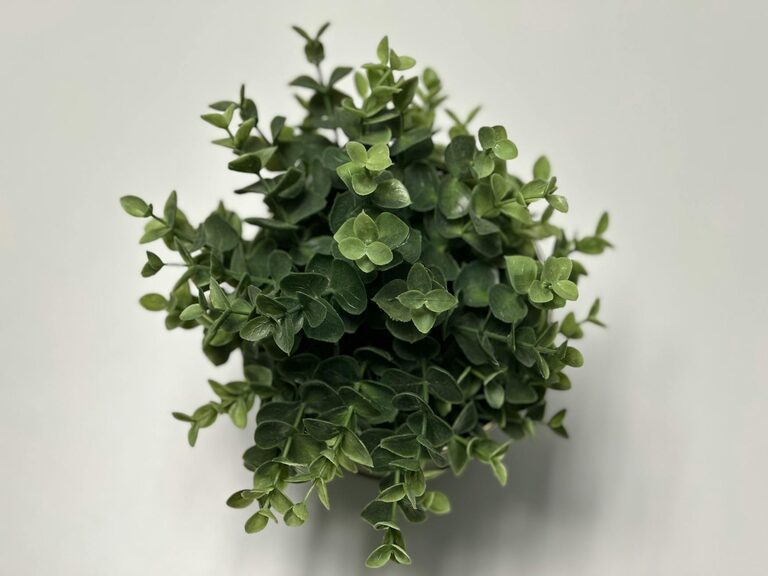
Bringing plants into your home is one of the easiest ways to refresh your living space, boost your mood, and improve air quality. Whether you have a spacious loft or a cozy apartment, adding greenery can breathe new life into your surroundings. In this post, we’ll explore practical tips on choosing, arranging, and caring for indoor plants to create a fresh and inviting atmosphere.
Why Add Plants to Your Home?
Plants do more than just look nice—they offer several benefits that contribute to a healthier, more enjoyable living environment:
– Improved air quality: Many houseplants help filter toxins and add oxygen.
– Mood enhancement: Greenery can reduce stress and increase feelings of calm and happiness.
– Natural decor: Plants add texture, color, and life, complementing any style.
– Humidity control: Some plants release moisture, helping to balance indoor humidity.
With these perks in mind, let’s dive into how you can start refreshing your home with plants today.
Choosing the Right Plants for Your Space
Not all plants are created equal, especially when it comes to indoor environments. It’s important to pick plants that suit your lighting conditions, lifestyle, and space.
Assess Your Lighting
– Bright, direct light: Good for succulents, cacti, fiddle leaf figs, and bird of paradise.
– Indirect, moderate light: Perfect for pothos, snake plants, peace lilies, and philodendrons.
– Low light: Choose snake plants, ZZ plants, and cast iron plants.
Make sure to observe where natural light falls during the day and match your plant choices accordingly.
Consider Your Time and Care Preferences
Some plants require more attention than others:
– Low maintenance: Snake plants, pothos, ZZ plants.
– Moderate care: Spider plants, peace lilies.
– High maintenance: Orchids, bonsai trees.
Think about how much time you want to spend watering, fertilizing, and trimming.
Size and Placement
Measure the spaces where you plan to put plants to avoid overcrowding. Tall plants can be focal points in corners or near windows, while smaller plants work well on shelves and tables.
Creative Ways to Display Plants at Home
Once you’ve chosen your plants, it’s time to showcase them beautifully.
Use Varied Planters
Experiment with different planter styles to match your home’s vibe:
– Terracotta pots for a rustic touch
– Sleek ceramic for modern decor
– Hanging planters to save floor space
– Decorative baskets for a cozy feel
Create a Green Corner
Dedicate a small area, such as a bookshelf, windowsill, or empty corner, to display multiple plants of varying heights and textures. This miniature indoor garden can become a calming retreat.
Mix Plants with Other Decor Elements
Combine plants with books, art, or candles to create a balanced and personal display. For example, a small fern next to a framed photo or a succulent on a stack of coffee table books adds visual interest.
Caring for Your Indoor Plants
Keeping plants healthy ensures your home always feels fresh and vibrant.
Watering Tips
– Check soil moisture before watering; many houseplants prefer to dry out between waterings.
– Use room-temperature water to avoid shocking roots.
– Be mindful not to overwater, which can cause root rot.
Feeding Your Plants
– Fertilize indoor plants monthly during the growing season (spring and summer).
– Use a balanced, water-soluble fertilizer as directed.
Pruning and Grooming
– Remove dead or yellow leaves to encourage new growth.
– Trim leggy plants to maintain shape.
– Clean dust off leaves with a damp cloth to improve photosynthesis.
Monitor Pests
Watch for common indoor pests like spider mites or aphids. If detected, treat promptly with natural insecticidal soap or neem oil.
Seasonal Refresh and Plant Rotation
Changing your plant display with the seasons can help maintain interest and vigor.
– Switch out plants that prefer warmer or cooler temperatures.
– Rotate plants regularly to ensure even sun exposure.
– Repot when necessary to give roots room to grow.
Bonus Tips for Beginners
– Start with easy-to-grow plants like snake plants and pothos.
– Use a moisture meter to avoid guesswork.
– Group plants together to create a humid microenvironment beneficial for many species.
Conclusion
Refreshing your home with plants is a rewarding project that’s accessible to everyone. With a little thought about light, care, and placement, you can transform your space into a green oasis that promotes well-being and style. Start small, enjoy the process, and watch your home come alive with nature’s touch!