
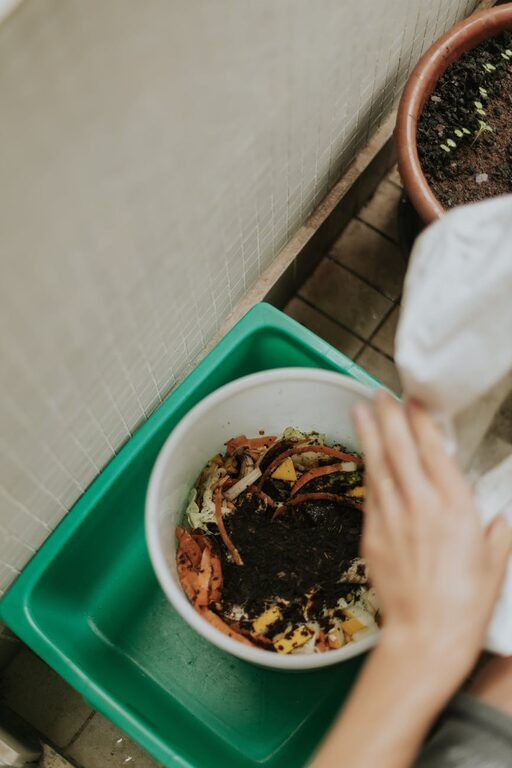
Composting at home is a fantastic way to reduce kitchen and garden waste while creating nutrient-rich soil that benefits your plants. If you’re new to composting, the process can seem a little overwhelming at first. But with a few simple tips and some basic guidelines, you can start composting successfully in no time. This guide will walk you through the essentials of home composting, helping you turn everyday scraps into black gold for your garden.
What Is Composting?
Composting is the natural process of recycling organic material such as food scraps and yard waste into a rich soil amendment. Instead of sending these materials to the landfill, composting allows them to break down and become useful nutrients for the soil. This process supports plant growth, improves soil texture, and reduces waste.
Why Compost at Home?
– Reduce Waste: About 30% of household waste is compostable. Composting means less garbage in your bin.
– Create Healthy Soil: Compost improves soil structure, fertility, and moisture retention.
– Save Money: It reduces the need for store-bought fertilizers and soil conditioners.
– Support the Environment: Composting helps lower greenhouse gas emissions from landfills.
Getting Started: Choosing Your Composting Method
Before collecting materials, decide how you want to compost based on your space, time, and goals.
Backyard Composting
– Best if you have a garden and outdoor space.
– Use a compost bin or pile.
– Suitable for larger amounts of yard waste.
Indoor Composting (Vermicomposting)
– Uses worms (usually red wigglers) to break down scraps.
– Great for apartments or homes without outdoor space.
– Requires a small bin and some maintenance.
Tumbler Composting
– A sealed bin that can be rotated to mix compost.
– Usually faster decomposition.
– Keeps pests out and odor minimal.
What Can You Compost?
Knowing what to compost and what to avoid is key.
“Greens” (Nitrogen-rich materials)
– Fruit and vegetable scraps
– Coffee grounds and filters
– Tea bags (without plastic)
– Fresh grass clippings
– Plant trimmings
“Browns” (Carbon-rich materials)
– Dry leaves
– Straw or hay
– Shredded newspaper or cardboard (non-glossy)
– Sawdust (untreated wood)
– Eggshells (crushed)
What to Avoid:
– Meat, dairy, and oily foods (attract pests)
– Pet waste (may contain harmful bacteria)
– Diseased plants
– Synthetic chemicals or non-organic materials
– Large branches (too slow to break down)
Basic Composting Tips for Beginners
1. Balance Your Greens and Browns
Aim for a mix of about 1 part greens to 3 parts browns. Greens provide nitrogen, and browns provide carbon. This balance helps your compost break down efficiently without unpleasant smells.
2. Chop or Shred Materials
Smaller pieces decompose faster. Use scissors, a garden shredder, or chop scraps before adding them to your pile.
3. Keep Your Compost Moist
Compost should be about as damp as a wrung-out sponge. Water dry piles occasionally, but avoid letting it get soggy.
4. Turn Your Compost Regularly
Turning or mixing your compost introduces oxygen, which helps microbes break down organic matter faster. Aim to turn your pile once every 1-2 weeks.
5. Be Patient
Depending on conditions, compost can take from a few weeks to several months to mature. Finished compost looks dark, crumbly, and smells earthy.
Common Composting Challenges and Solutions
| Challenge | Solution |
|——————————-|————————————–|
| Bad Odor | Add more browns, turn compost often. |
| Compost Too Dry | Add water and greens. |
| Compost Too Wet | Add more browns and turn pile. |
| Pests or Rodents | Avoid meat/dairy, use covered bins. |
| Slow Decomposition | Chop materials, turn regularly. |
How to Use Your Finished Compost
Once your compost looks and smells ready, use it in different ways around your home and garden:
– Mix into garden soil to improve fertility.
– Use as mulch around plants to retain moisture.
– Add to potted plants for extra nutrients.
– Topdress your lawn with a thin layer for healthy growth.
Helpful Tools for Home Composting
– Compost bin or tumbler
– Garden fork or compost aerator
– Kitchen compost pail with lid
– Shredder or scissors for chopping
Final Thoughts
Starting composting at home is a rewarding way to care for your garden and the environment. With these beginner tips, you’ll build a healthy composting routine that reduces waste and produces nutrient-rich soil right in your backyard or kitchen. Remember, composting is flexible and forgiving — every scrap you add helps! So start small, learn as you go, and enjoy the benefits of your green efforts.
—
If you have questions about composting or want to share your own tips, feel free to leave a comment below! Happy composting!