
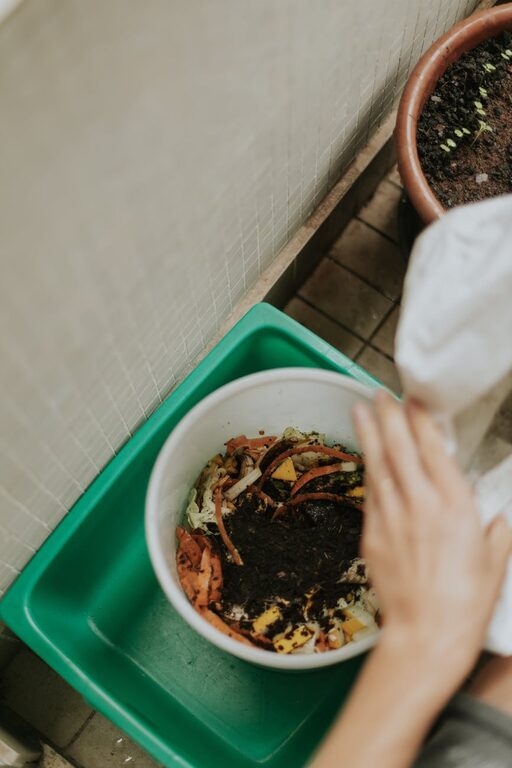
Composting at home is a fantastic way to reduce waste, enrich your garden soil, and support a healthier environment. Whether you have a big backyard or a small balcony, composting can be adapted to fit your space and lifestyle. If you’re new to composting, this guide will help you get started with simple, practical tips to make the process successful and enjoyable.
What Is Composting?
Composting is the natural process of recycling organic materials like food scraps and yard waste into a rich, dark soil amendment called compost. This nutrient-packed material improves soil structure, helps retain moisture, and provides essential nutrients to plants.
Why Compost at Home?
– Reduce landfill waste: Composting keeps food scraps and garden debris out of landfills, where they would otherwise produce methane, a potent greenhouse gas.
– Enrich your soil: Homemade compost supplies plants with a balanced mix of nutrients.
– Save money: It reduces the need for chemical fertilizers and soil conditioners.
– Support sustainability: Composting closes the loop by returning organic matter back to the earth.
Getting Started: What You’ll Need
– A compost bin or pile: Choose a container or designate a space that suits your home environment.
– Organic materials: Kitchen scraps (vegetable peels, coffee grounds), garden waste (leaves, grass clippings), and other compostable materials.
– Water: Moisture helps microbes break down the organic matter.
– A pitchfork or garden fork (optional): Useful for turning and aerating your compost pile.
Choosing the Right Composting Method
1. Traditional Compost Bin or Pile
This is the easiest and most common way to compost. You can buy a compost bin or create a simple pile in your backyard.
– Pros: Easy to set up, can handle large amounts of waste.
– Cons: Takes a few months to produce finished compost, needs occasional turning.
2. Tumbler Composters
These are containers mounted on a frame that you can spin to mix the compost easily.
– Pros: Faster decomposition, less manual turning.
– Cons: Typically smaller capacity, can be pricier.
3. Indoor Composting (Vermicomposting)
Using worms (usually red wigglers) to break down food waste in a bin inside your home.
– Pros: Great for small spaces, faster decomposition.
– Cons: Requires a bit more care, especially monitoring moisture and feeding.
What to Compost: Understanding Brown and Green Materials
A successful compost pile needs a balance of brown and green materials:
– Green materials: Rich in nitrogen — vegetable scraps, fruit peels, coffee grounds, grass clippings.
– Brown materials: Rich in carbon — dry leaves, shredded newspaper, straw, cardboard.
The ideal ratio is roughly 2 to 3 parts brown to 1 part green. This balance helps microbes thrive and speeds up decomposition.
Materials to Avoid in Your Compost
– Meat, dairy, oily foods (they attract pests and create odors)
– Diseased plants or weeds with seeds (may spread disease or weeds)
– Pet waste (can introduce pathogens)
– Chemically treated wood or plants
Step-by-Step Beginner Composting Guide
Step 1: Set Up Your Compost Area
Find a dry, shady spot near a water source. Place your bin or start your pile directly on the ground for good drainage and access for beneficial organisms.
Step 2: Add Your Materials
Start with a layer of coarse brown materials like twigs to help aeration. Then add alternating layers of greens and browns. Chop or shred large pieces to speed decomposition.
Step 3: Keep It Moist
The compost pile should be about as damp as a wrung-out sponge. Add water if it feels dry, or add more dry material if it’s too wet.
Step 4: Turn or Mix Your Compost
Every couple of weeks, use a garden fork or shovel to turn the pile. This aerates it and helps microbes break down materials evenly.
Step 5: Be Patient
Depending on conditions, compost can take anywhere from a few months to a year to fully mature. Finished compost is dark brown, crumbly, and smells earthy.
Tips for Success
– Chop materials into smaller pieces: This increases surface area for microbes.
– Avoid adding too many citrus peels or onion scraps: Too much can slow composting.
– Add a layer of soil or finished compost periodically: Introduces helpful microorganisms.
– Monitor temperature: A hot pile decomposes faster but requires a larger volume.
Using Your Finished Compost
Once ready, use your compost as a soil amendment for vegetable beds, flower gardens, houseplants, or lawn top dressing. It improves soil texture, fertility, and water retention.
Troubleshooting Common Composting Problems
– Bad odors: Usually from too much green material or lack of oxygen. Turn the pile and add more brown materials.
– Pile not heating up: May be too small, too dry, or lacking green materials.
– Pests: Keep meat and oily food out; cover food scraps with brown material.
Conclusion
Composting at home is an easy and rewarding way to reduce waste and nourish your plants. By following these beginner tips, you’ll create a thriving compost system that benefits you and the environment. Start small, be patient, and enjoy the process of turning everyday scraps into gardening gold!